
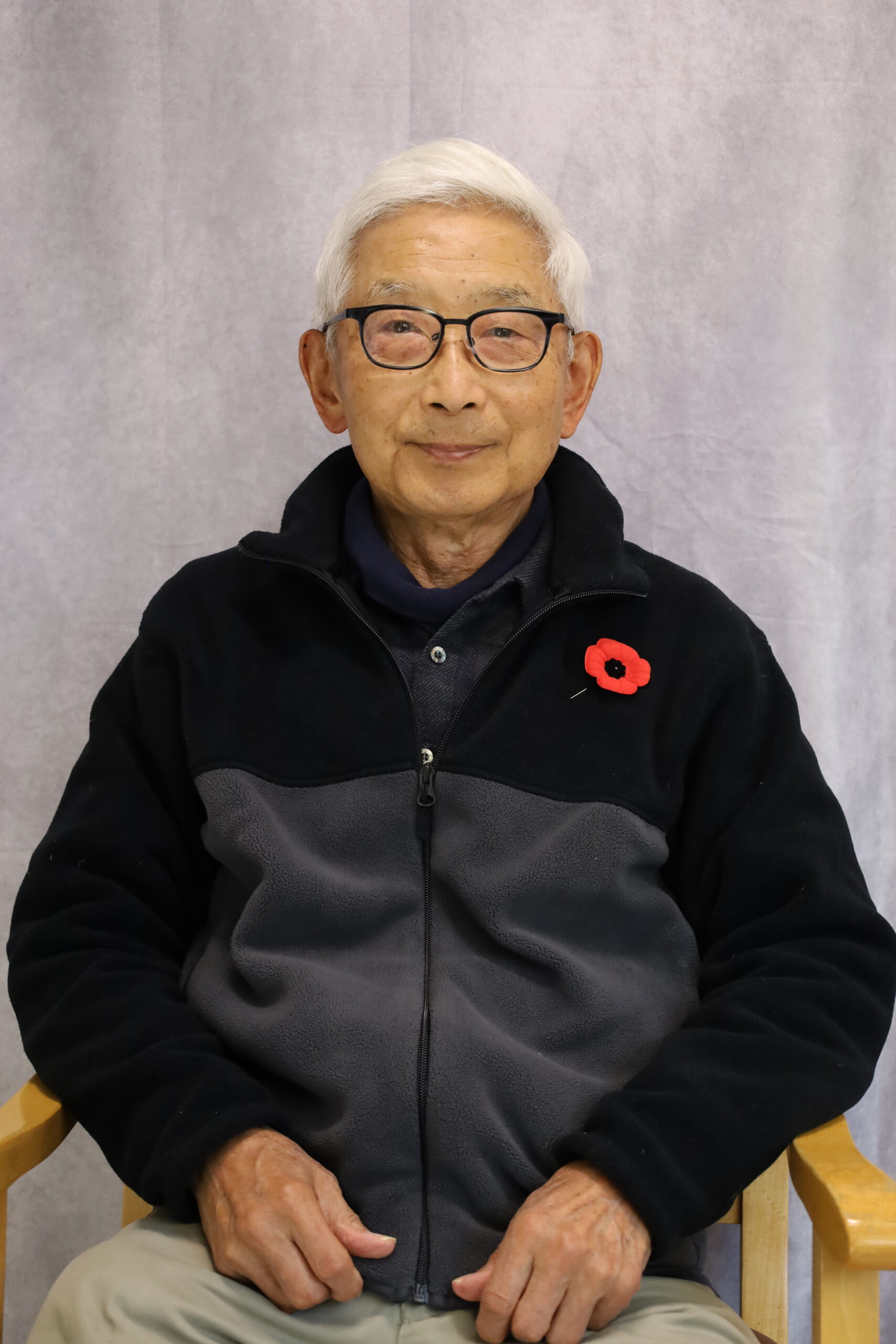
Ken was born in Haney, now part of Maple Ridge, near Vancouver. During the Second World War, his family, like many Japanese Canadians, faced tough challenges under the War Measures Act. Under this law, Canada forcibly removed and incarcerated about 22,000 Japanese Canadians from the BC coast. Rather than being sent to one of the main internment camps, Ken’s father moved the family inland to the Shuswap region, where they joined other relocated Japanese Canadians.
Ken attended a one-room schoolhouse until Grade 8. When his older brother, Victor, was ready to start high school, the family moved to Salmon Arm so the kids could continue their education. Ken went on to finish Grade 13 and followed his older brother to Royal Roads Military College in Colwood at age 17.
Ken quickly realized the military college environment wasn’t the right fit for him. However, his fascination with flight and the military continued. Encouraged by his father, who wanted him to follow his passion, Ken decided to join the Royal Canadian Air Force.
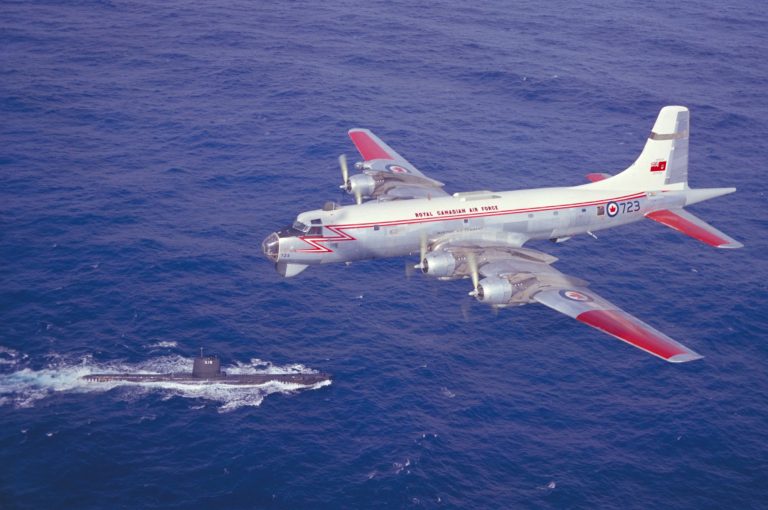
Photo Credit: DND Archives
Ken trained as a pilot in Alberta and later served on the Argus, a large patrol aircraft used during the Cold War. The Argus flew long missions, sometimes lasting up to 36 hours, tracking Soviet submarines in the Atlantic alongside U.S. and British forces. During the Cold War, Russian submarines patrolled the Arctic because it was a shorter route to North America and offered cover under the ice. The Soviets also gathered intelligence on NATO forces. Controlling the Arctic was important because of its resources and strategic value.
Starting as a radio officer, Ken advanced to Captain and became a Tactical Coordinator (TACCO), leading mission planning and coordinating the crew. Ken’s work involved detecting submarines using radar and sonar. Life aboard the Argus was unique, much like a naval ship, but in the air. The crew cooked meals mid-flight and worked through turbulence with great skill. “Flying at low altitude made for a lot of turbulence. Not the best for making hot coffee,” he joked.
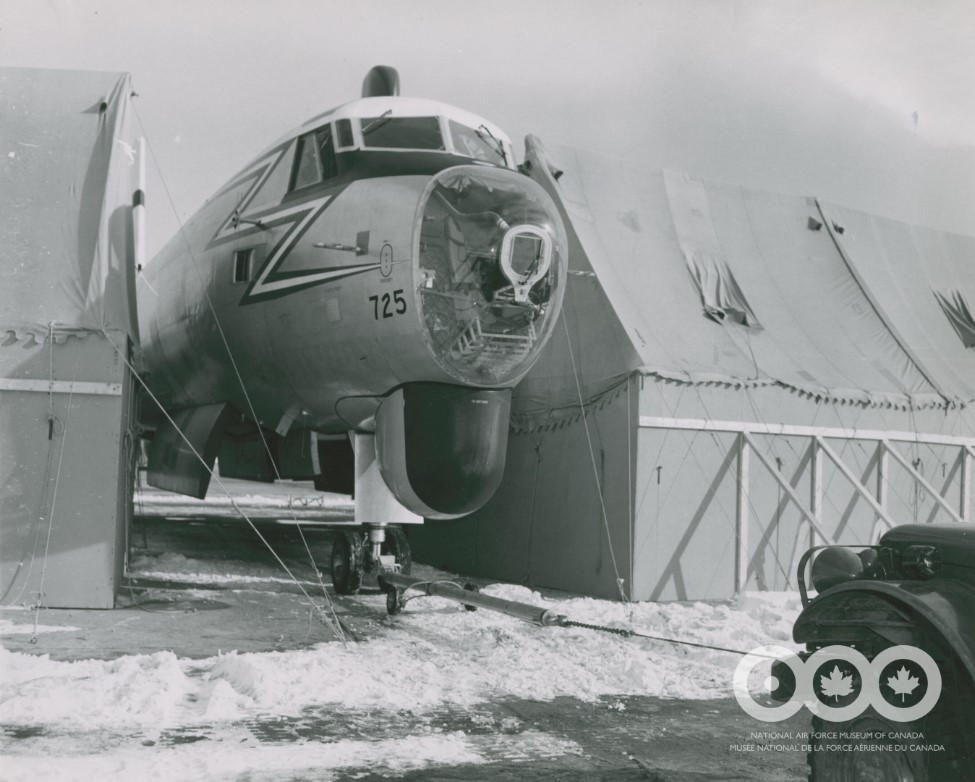
During the Cold War, much of Ken’s work involved tracking Soviet submarines patrolling near or within NATO boundaries. When signs of an unidentified submarine were detected, they would drop practice depth charges (PDCs), to signal that the submarine they had been found. These drops weren’t destructive, but they sent a clear message. “It was a knock, knock, knock,” Ken recalled. “The Soviets knew they had been found. They would surface, show us their mast, and then turn around and leave Canadian waters.”
In more advanced detection exercises, the Argus would deploy sonobuoys. These are a special underwater microphone dropped from the rear of the aircraft. They would sink to about 30 feet, allowing the crew to listen to underwater activity. The sounds they picked up could be very clear, from the hum of an engine to something more human-made.
During one training exercise with the Americans, Ken recalled hearing a tinkle tinkle sound, “It turned out to be the submarine crew having dinner. It was their cutlery clinking against plates in the galley.”
In the post-exercise debriefing, when the submarine crew asked how they were detected, Ken’s team replied, “We heard your dinner.”
Ken also flew patrols in Canada’s Arctic, tracking Soviet submarines beneath the ice. Because the Argus wasn’t suited for Arctic landings, smaller planes like the Twin Otter were used there. When a submarine was detected, the flight crew notified naval ships and icebreakers to pressure the Russian sub to turn around.
Later in his military career, Ken moved into training and instruction, with postings in Greenwood (Nova Scotia), Summerside (PEI), and Winnipeg, where he and his wife welcomed their first daughter, Lisa. Their second daughter, Monica, was born later after they moved to Comox, BC.
Ken was offered a promotion to Major but turned it down to keep his family on the West Coast. “My wife had moved enough,” Ken said. “The job was the same – and family came first.”
He ended his career working with Defence Research and as a recruiting officer, helping others join the Canadian Armed Forces.
Ken and his wife retired in Victoria, where they continue to live today.
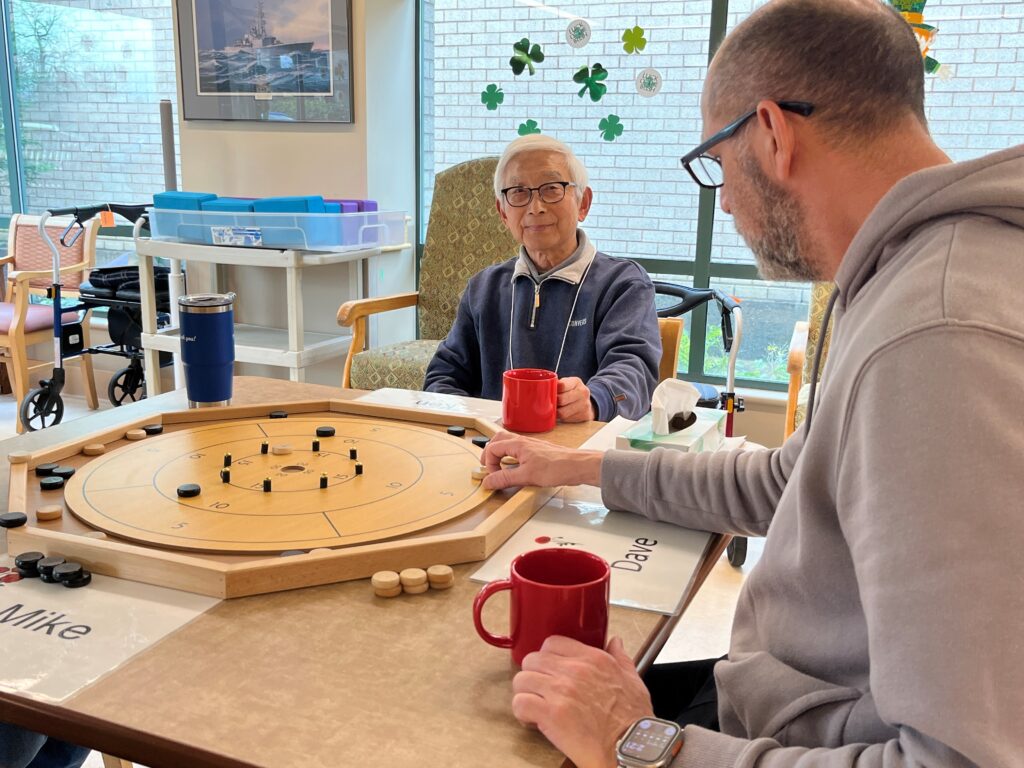
Ken participates in the Veterans Health Centre Day program at Veterans Memorial Lodge. This program, a partnership between Broadmead Care and Veterans Affairs Canada, provides essential health, social, and recreational services to veterans who live in the community.
It is an honour to have the opportunity to share some of the moments that shaped Ken’s life experience. You can help veterans like Ken enjoy the comforts of home and simple pleasures by making a donation today.
